Warm Up
While I will continue to explicitly use DSRP Theory to organize information and maps in my posts, I’d like to branch out to some other theories. I have a set of theories I call Watershed Perspectives, because once I started to use these theories, things changed. It’s like ascending a peak and dropping into a new watershed. As the title of this post suggests, I’m going to write about Self-Determination Theory (SDT) in this area of my website.
SDT research suggests that there are two types of motivation: intrinsic and extrinsic. The founders of the theory, Ryan and Deci, also break down both intrinsic and extrinsic motivation into parts. For this post I’ll stick with intrinsic motivation and what Ryan and Deci refer to as its component nutrients: autonomy, relatedness and competence. These are nutrients because without them, people’s intrinsic motivation wilts.
Briefly these nutrients can be understood as follows:
Autonomy- having control over choices, especially choices that matter to you
Relatedness- feeling understood and connected (I’ve found sometimes you do this by leaving people mostly alone, as that’s what they prefer)
Competence- feeling like one has the skill or knowledge needed to accomplish a task. This might mean they feel competent at learning new skills to accomplish something they cannot currently do.
Looking back, I implicitly learned a lot of SDT from mentors and was using it haphazardly with some success for years. When I found the formal written theory in 2017, I got super excited because I knew it would help me iron the hap and the hazard out from my process.
Finally, I’m NOT going to introduce new real world examples for these posts. I’m just going to switch perspectives and use SDT as my primary explicit analysis tool. So the example below is the same as the example from my first post on DSRP Theory. The warm-up, reads / mechanics and Continuing Updates will be all new material though.
Real World Example SDT#1
I was teaching a middle school Humanities class some time ago. We had established a routine strategy of analyzing history using justice as a theme. One day during a class discussion we were trying to distinguish just actions from unjust actions in a particular historical episode.
Not too long into the discussion one student, Jessica blurted out, “I don’t see why we are even studying this!”
I paused a moment, realizing her perspective was not clear to me. I replied, “When you say you don’t see why we are studying this, are you referring to justice?”
“Yeah.” She responded and continued, “Adults tell me to just get over it, that’s the way the world is.”
I paused again, longer this time. Letting the meaning of her words fully click into place. Then I said, “You’re right, adults do say that a lot.” I continued as gently as I could, “Maybe try not to be one of those adults.” Next, I scanned the room. The rest of the students were fully attentive to the exchange, clearly wondering what I would say next. I looked around making eye contact with all the other students and asked if they understood Jessica’s perspective. Most gave me an affirmative nod. I continued, “Okay, we are not going to get anything better than that today, we are done.” I then sat down and let the students choose how to spend the remaining time. They first acted a bit surprised, then relaxed and milled about quietly until the bell sounded.
Before that day, Jessica had not committed to engaging with learning in my class. She had been at best, reserved. She was fully engaged the rest of the year. I worked with her again as an 11th grader and she continued to actively engage at a high level. One day during her 11th grade year I asked her, “Remember when you made the comment about justice back in middle school? What happened in that moment for you, how did it change things?” She thought for half a minute or so and answered: “You really listened to me. I felt understood.”
DSRP Study SDT#1: Reads / Mechanics
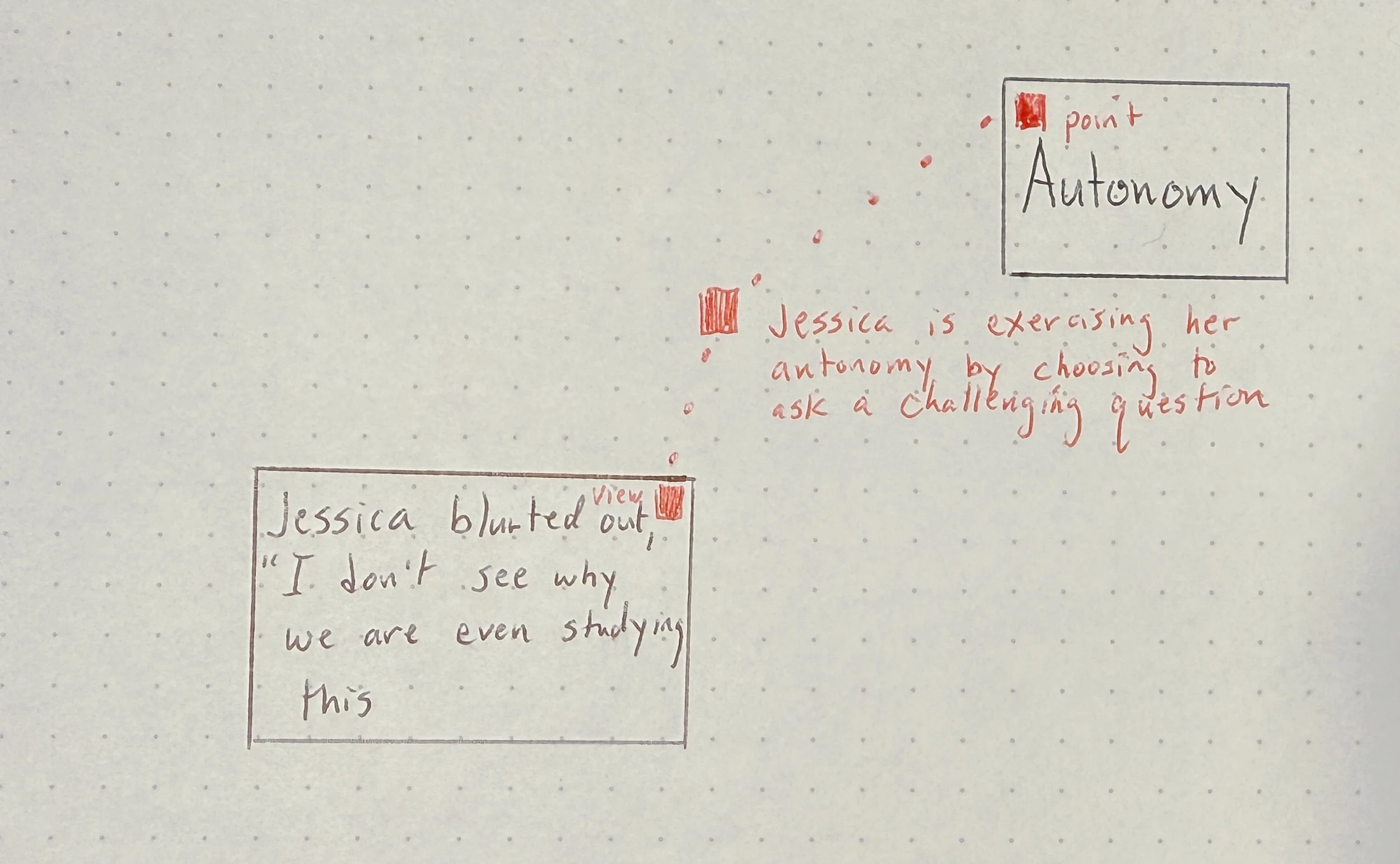
Map 1. Autonomy as the point on the view of Jessica’s question. The Perspective is outlined in red text.
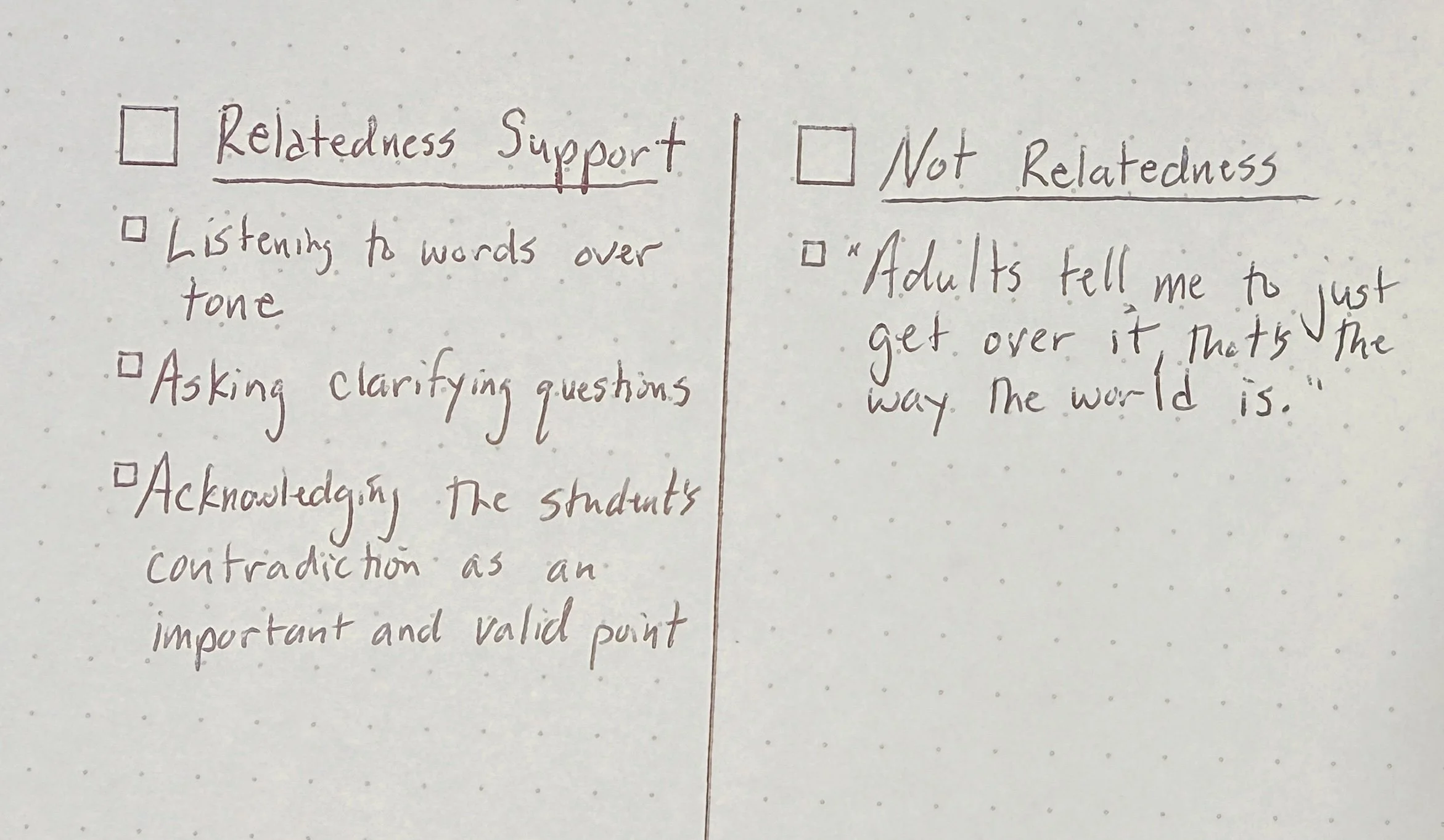
Map 2. The Is Not part of an Is / Is Not List defines the boundary of the Is.
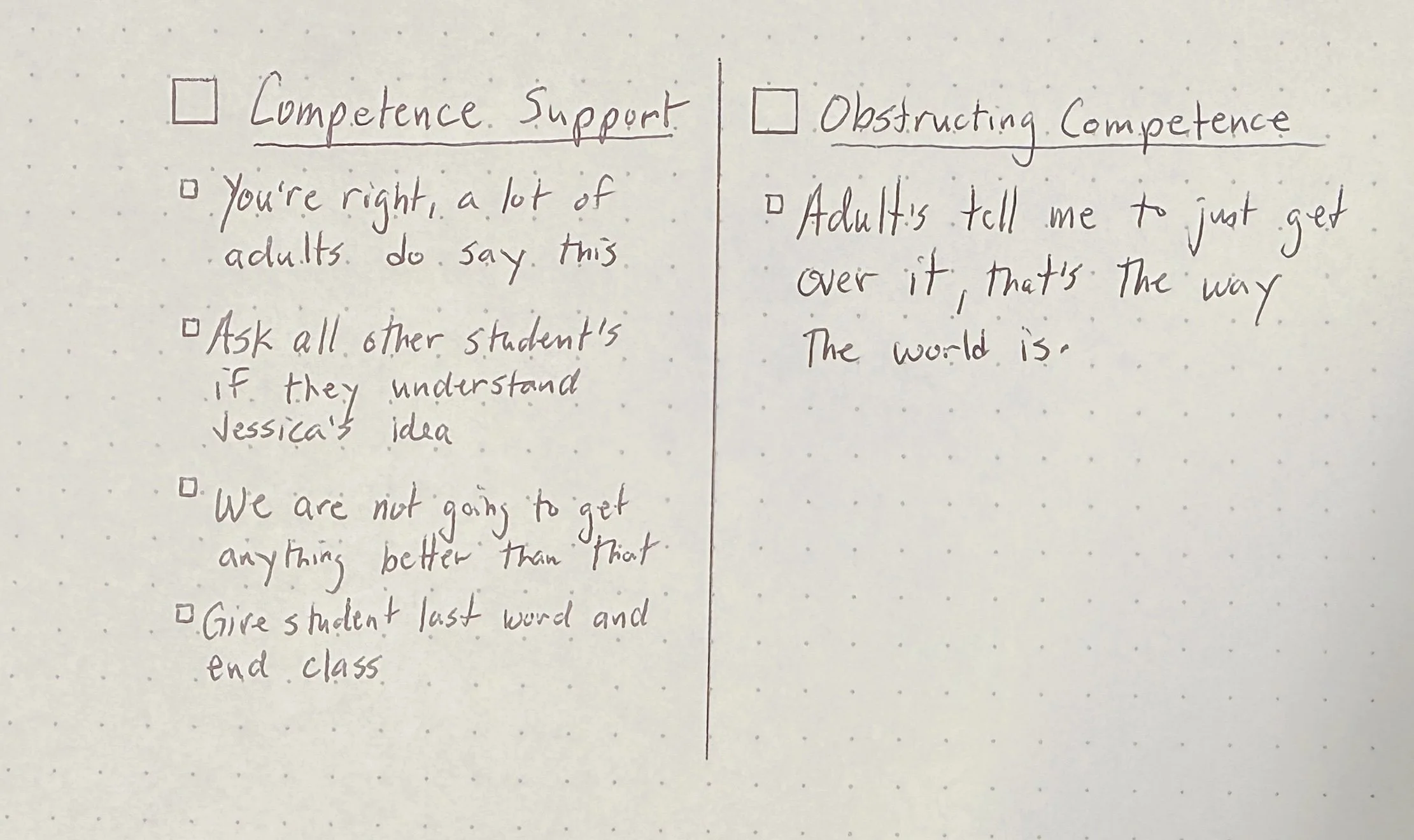
Map 3. Another Is / Is Not List organizing SDT’s intrinsic nutrient Competence as it was developed in the Real World Example.
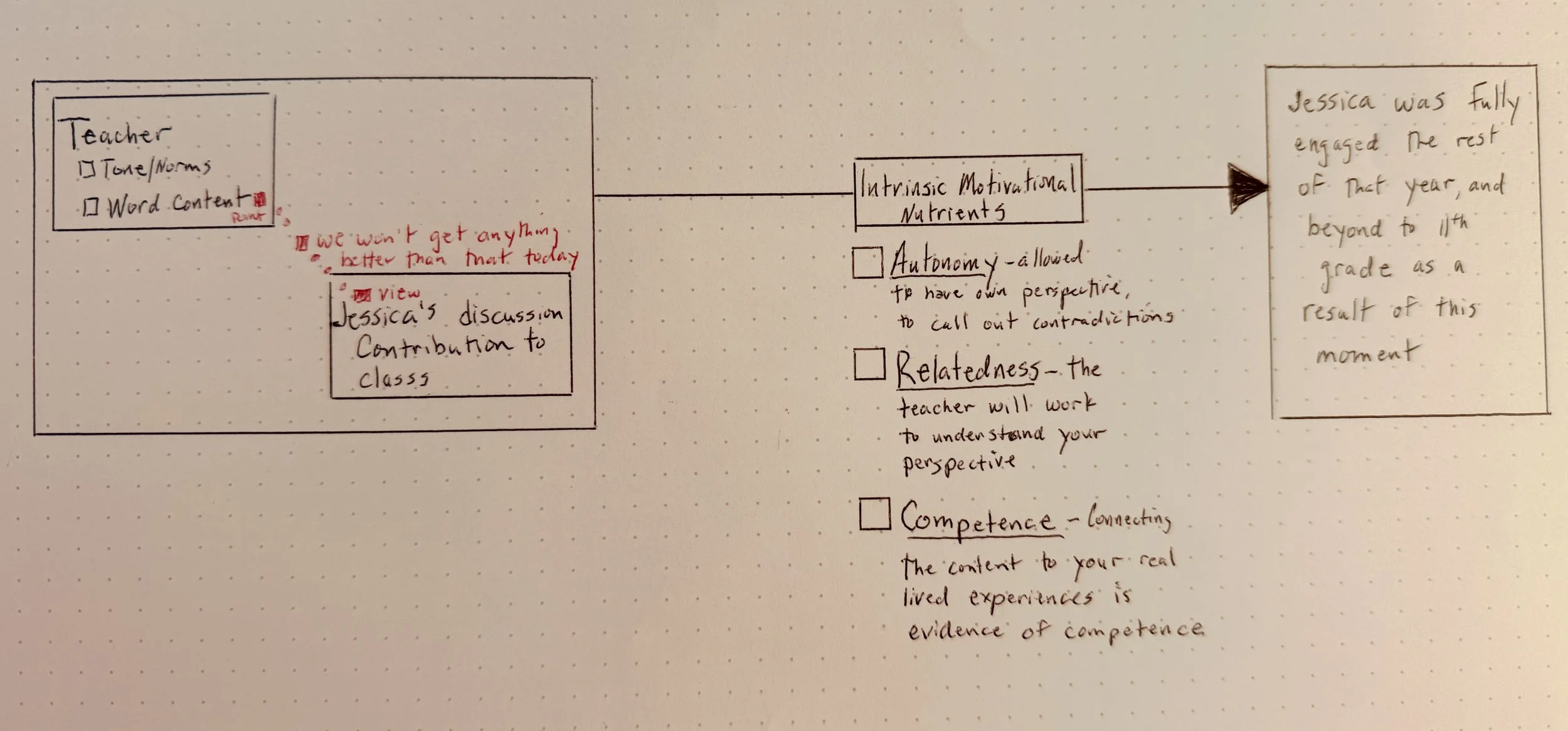
Map 4. A Relationship Zoom move, where the action is also a Perspective. More importantly, I’ve zoomed in on the Relationship parts, so SDT’s intrinsic motivation nutrients are clearly identified.
Continuing Updates
As I reflect on this story today, I’m drawn to the idea that I characterized Jessica’s challenging question as being blurted out. Additionally, in my earlier Systems Thinking post where I featured this example, I implied that her tone was out of bounds for class norms.
Maybe now is a good time to say her tone was angry. Additionally, I’d argue her anger was valid and justified. The amount of contradictions kids have to put up with from adults is staggering. And kids having to hear “get over it, that’s the way the world is,” should inspire anger in many many cases. I can get angry just thinking about how inflexible we are in the ways we construct, pass down and police culture.
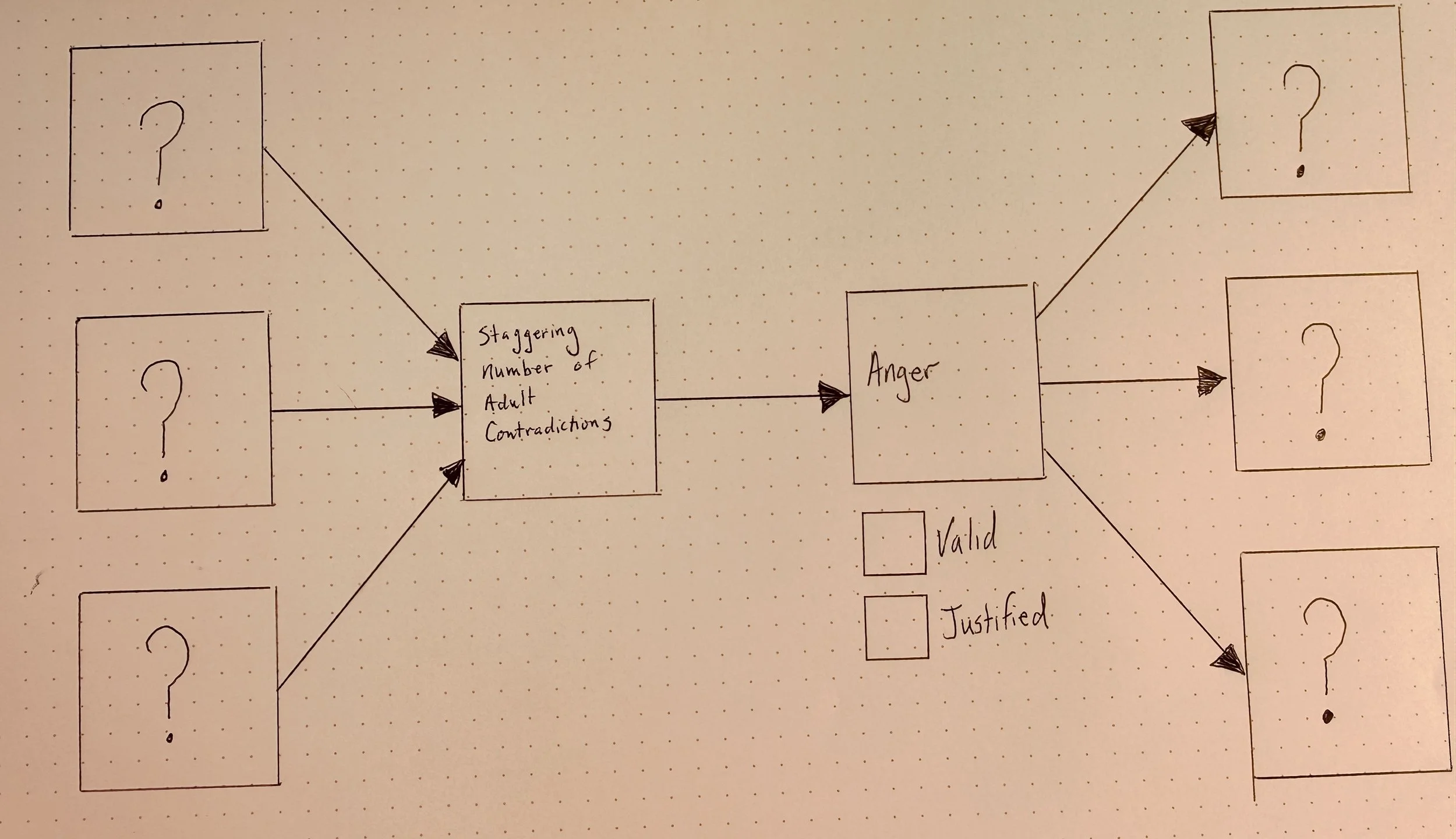
Map 5. A partial causal web to demonstrate how DSRP aids thinking.
SDT Resources
Deci, E. & Ryan, R. (2017). Self-Determination Theory, Basic Psychological Needs in Motivation, Development and Wellness. The Guilford Press.